When Trolls Shaped the Fjords
Mythical stories behind the fjords and mountains of Flåm and Aurland
Long before geology books, maps, and scientific explanations, people needed stories.
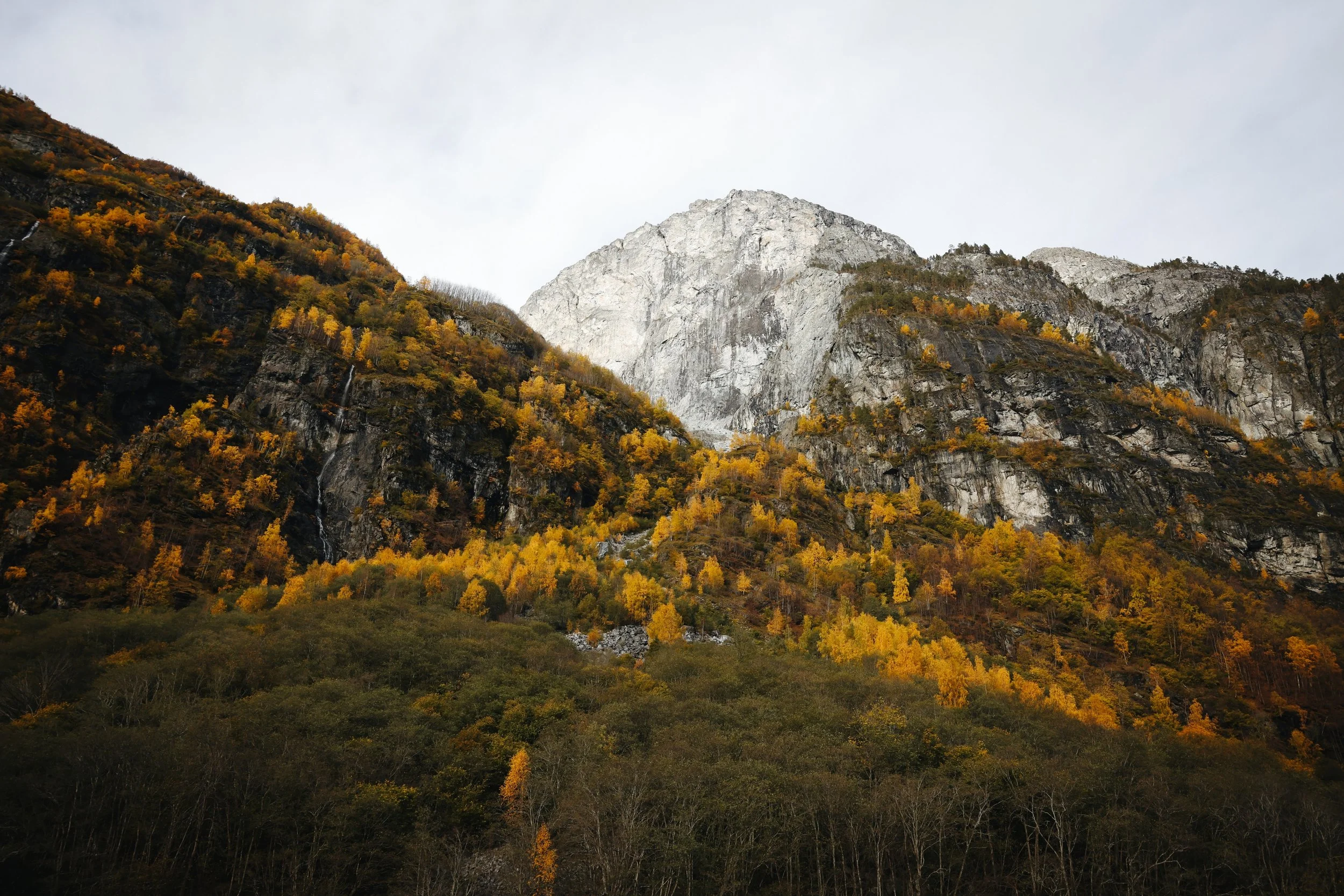
The fjords of Western Norway are full of towering mountains and deep valleys. For centuries, locals have told stories about trolls, mysterious, powerful creatures believed to have shaped the land itself.
Today, science explains how glaciers carved the fjords over thousands of years. But the old stories haven’t disappeared. They live on in place names, mountain shapes, and in the tales local guides pass down.
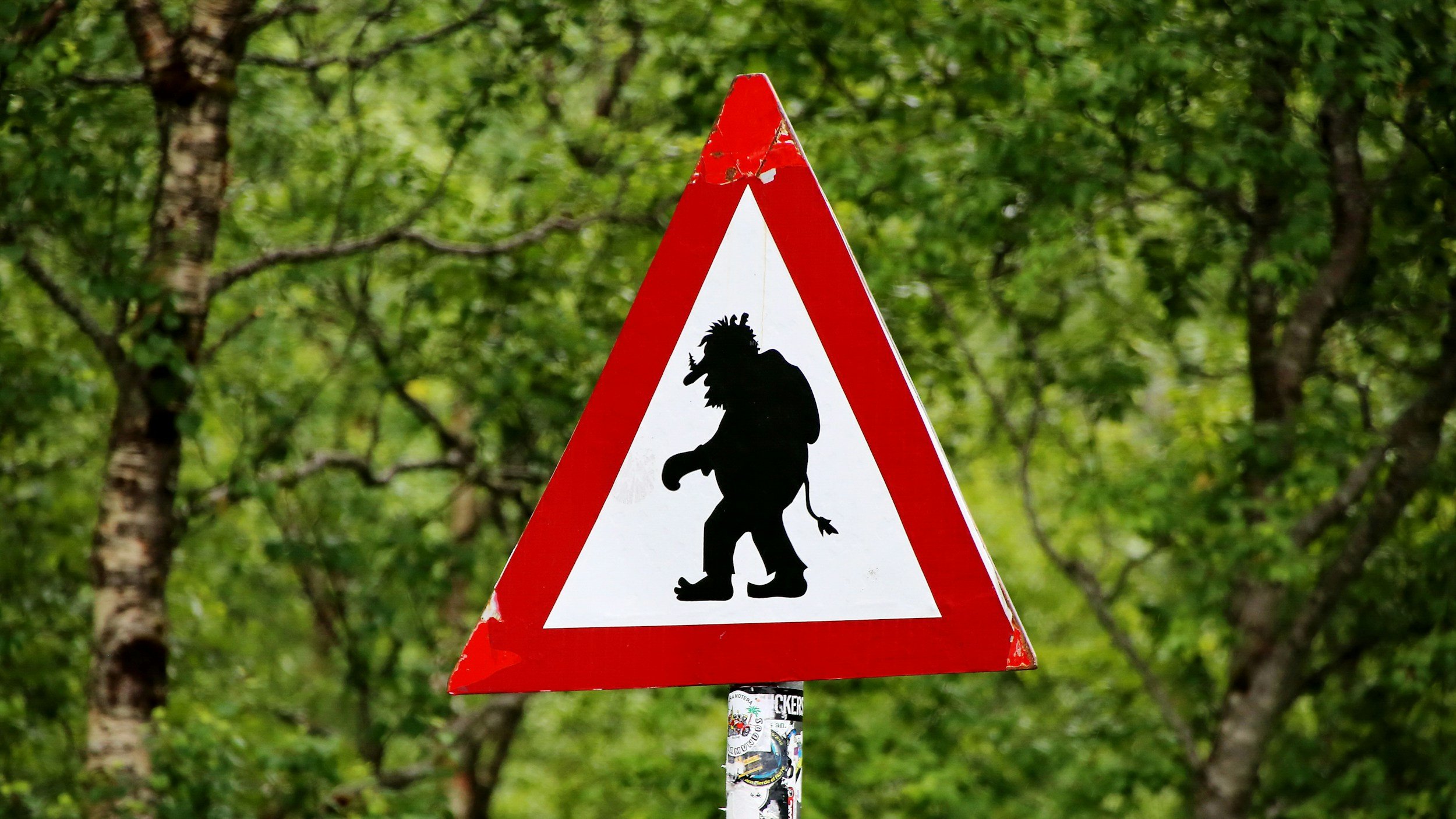
Who Were the Trolls?
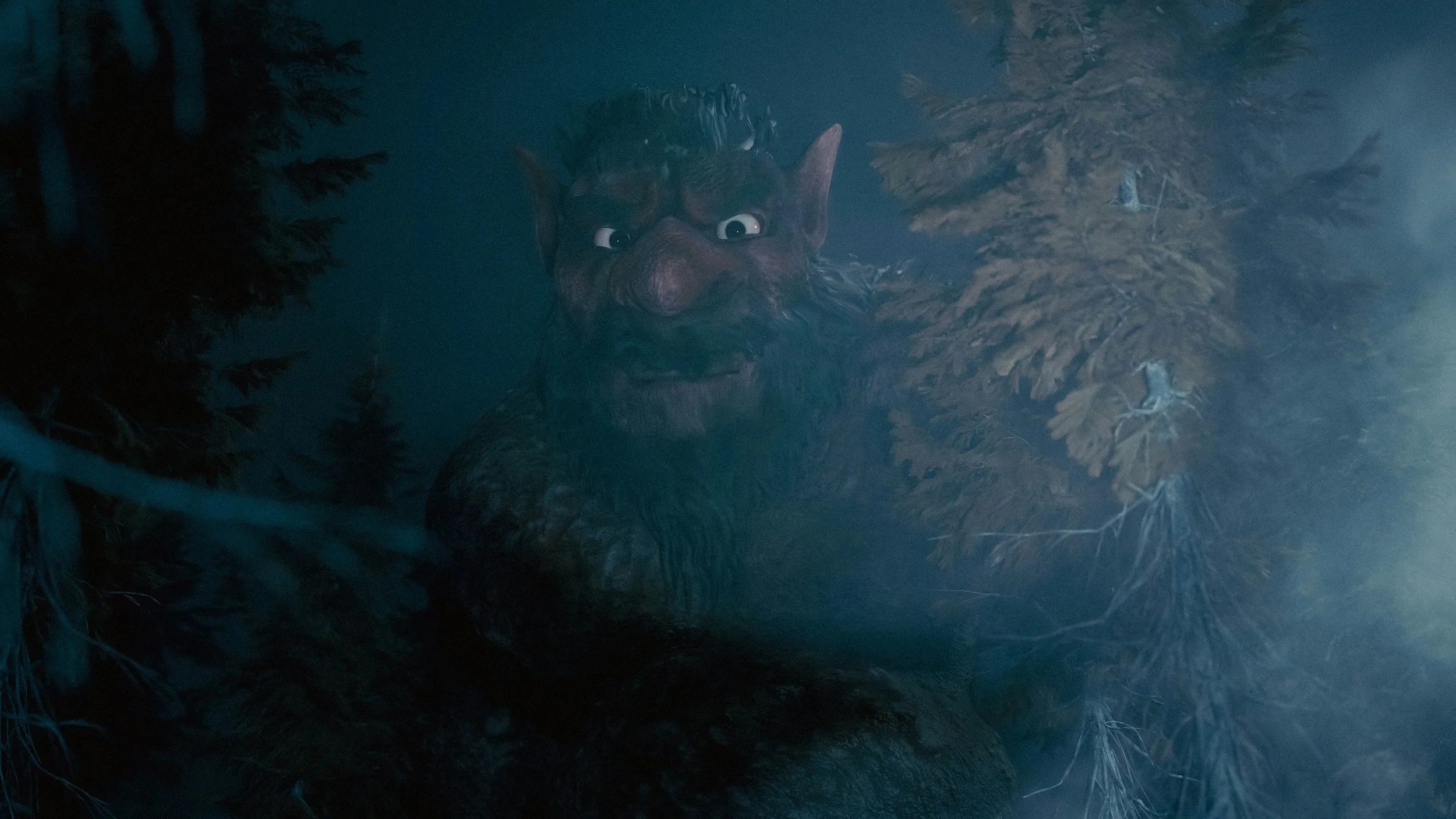
In Norwegian folklore, trolls are often described as large, ugly, and fearsome creatures with grotesque features — long noses, large ears, hairy bodies, and immense strength. Some were said to have multiple heads or tails.
They lived far from humans, dwelling in remote mountains, deep forests, or hidden caves. Trolls were nocturnal creatures, rarely seen in daylight. According to many folktales, sunlight was their weakness and exposure would turn them to stone.
These stories weren’t meant to be frightening for the sake of fear. They were explanations. Ways of understanding a landscape that felt powerful, unpredictable, and alive.
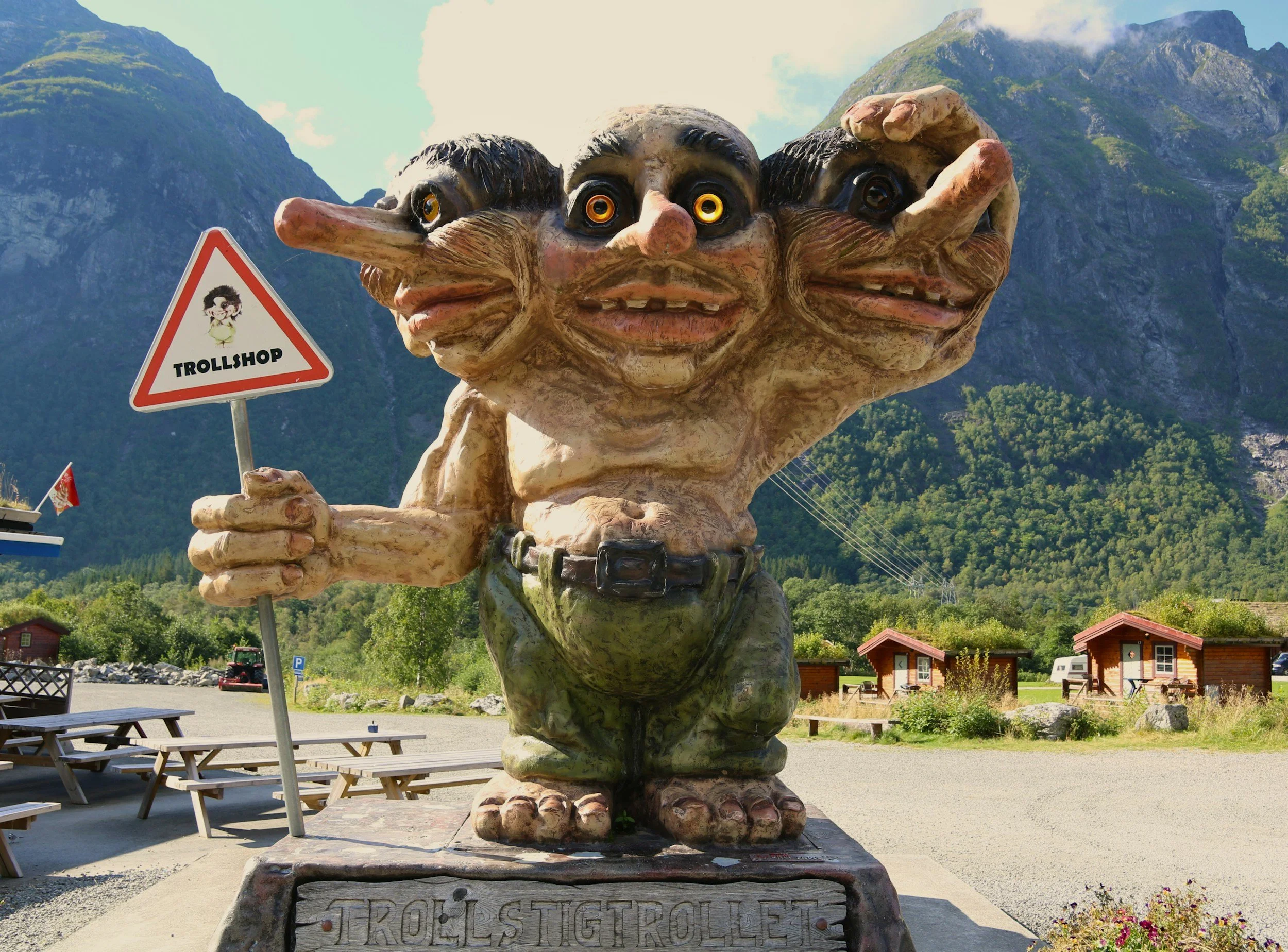
Mountains With Faces and Names
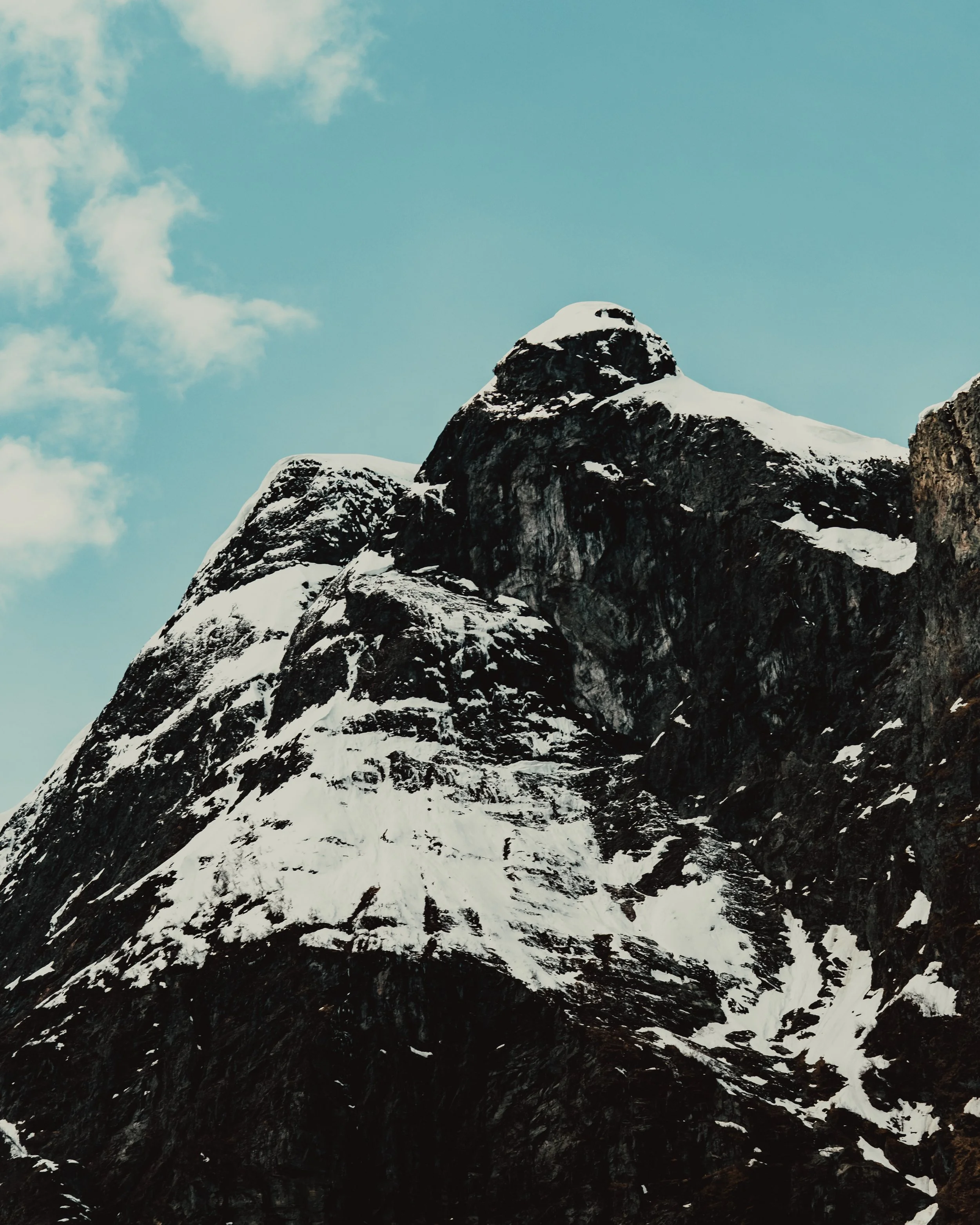
If you spend time on the fjord, you’ll notice something curious: many mountains seem to have shapes that resemble faces, figures, or objects.
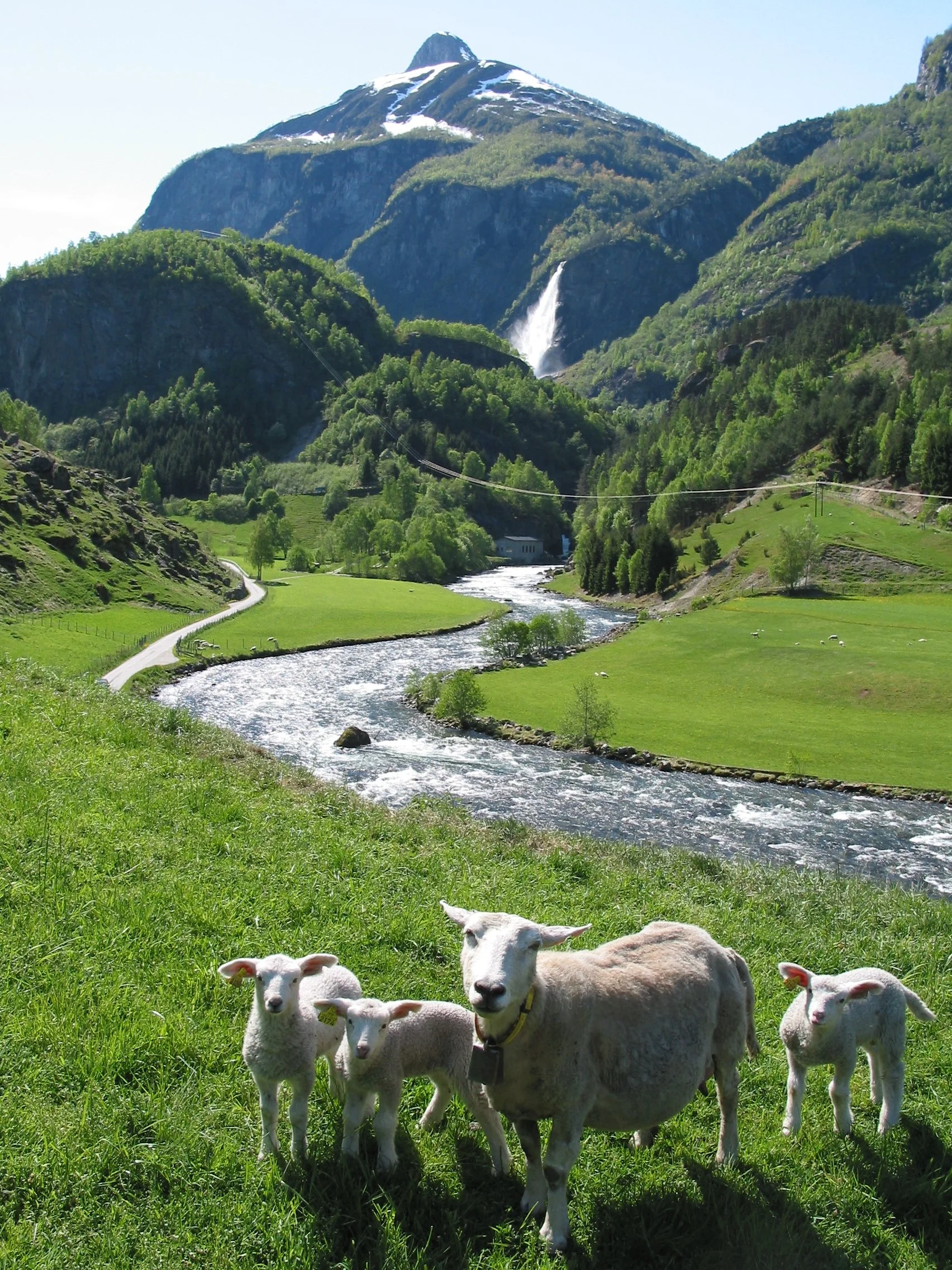
Above the Flåm valley, Vidmesnosi is said to resemble a face and a nose when viewed from the fjord.
According to local legend, two trolls once fought over the land. One was knocked unconscious and dragged away, carving the fjord in the process. When the victor finally let go, the fallen troll remained with his face still visible above the valley. The part “nosi” in the name is a dielect word for “nose” and Vidme is a place name with no clear meaning today.
These stories gave meaning to what people saw long before they knew why the mountains looked the way they did.
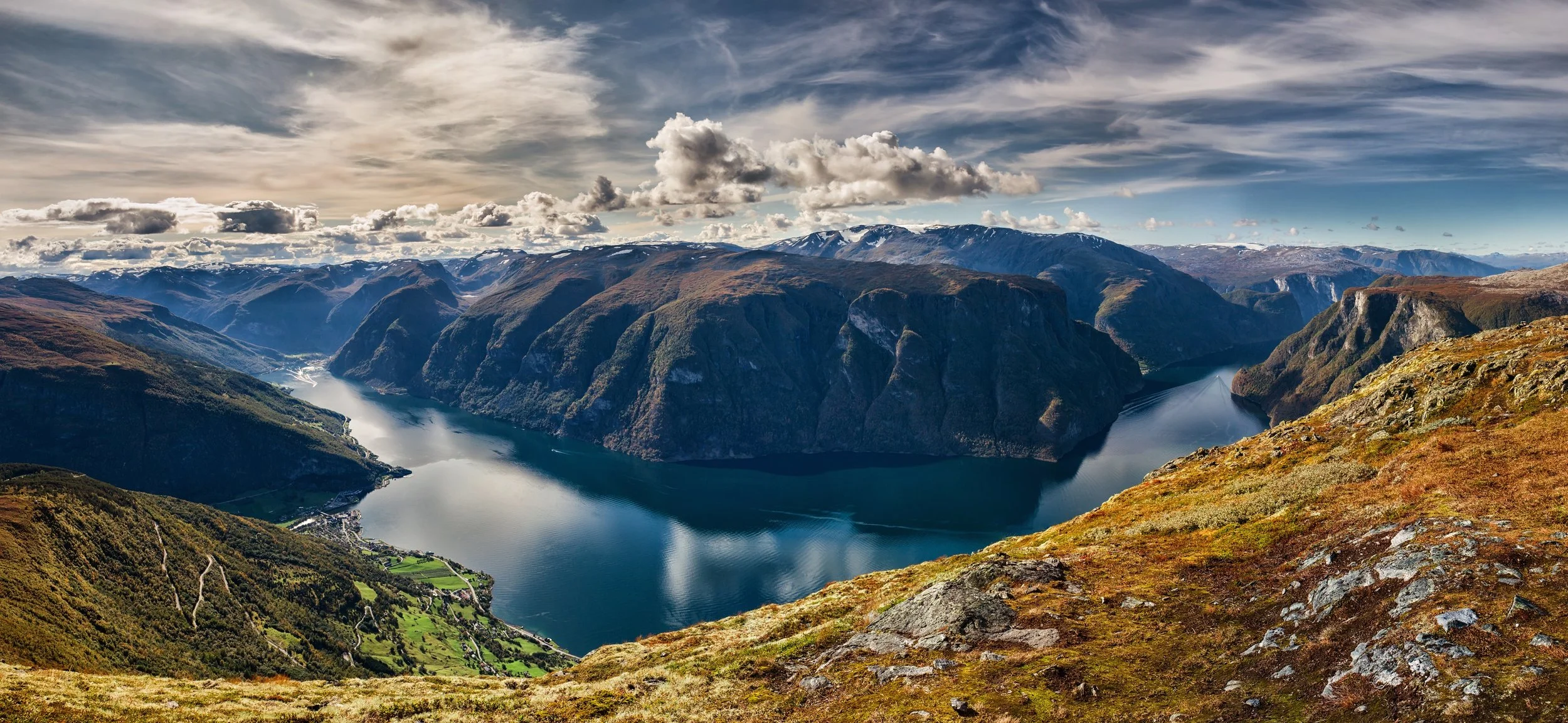
The view from Mt. Prest
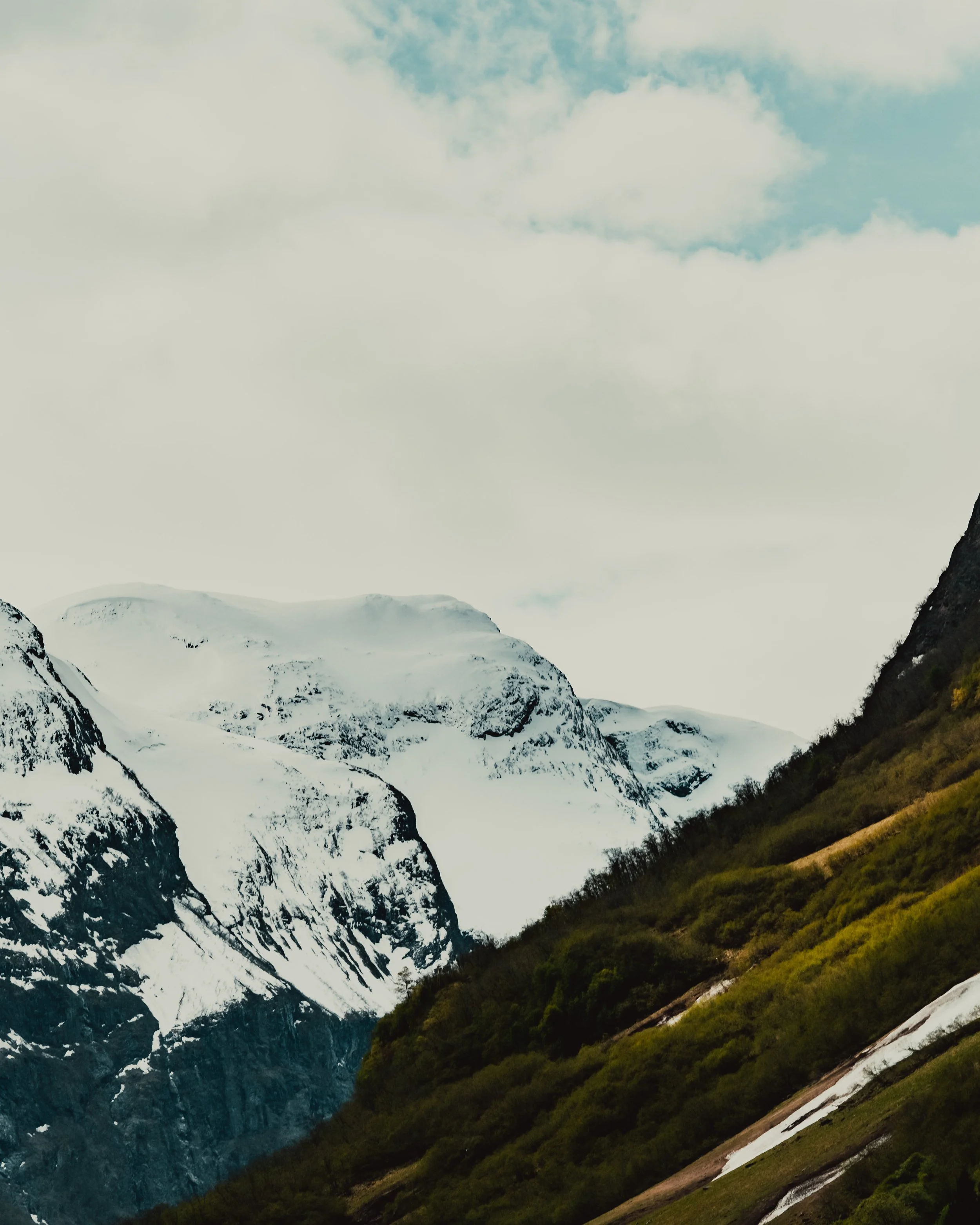
Above Aurland rises Prest — “The Priest.” One story says this was the largest troll, standing above the others and commanding how the fjords should be carved. Another tale links the name to the way snow lingers on the north side of the mountain, forming a shape like a priest’s collar.
The Troll Who Carved the Fjord
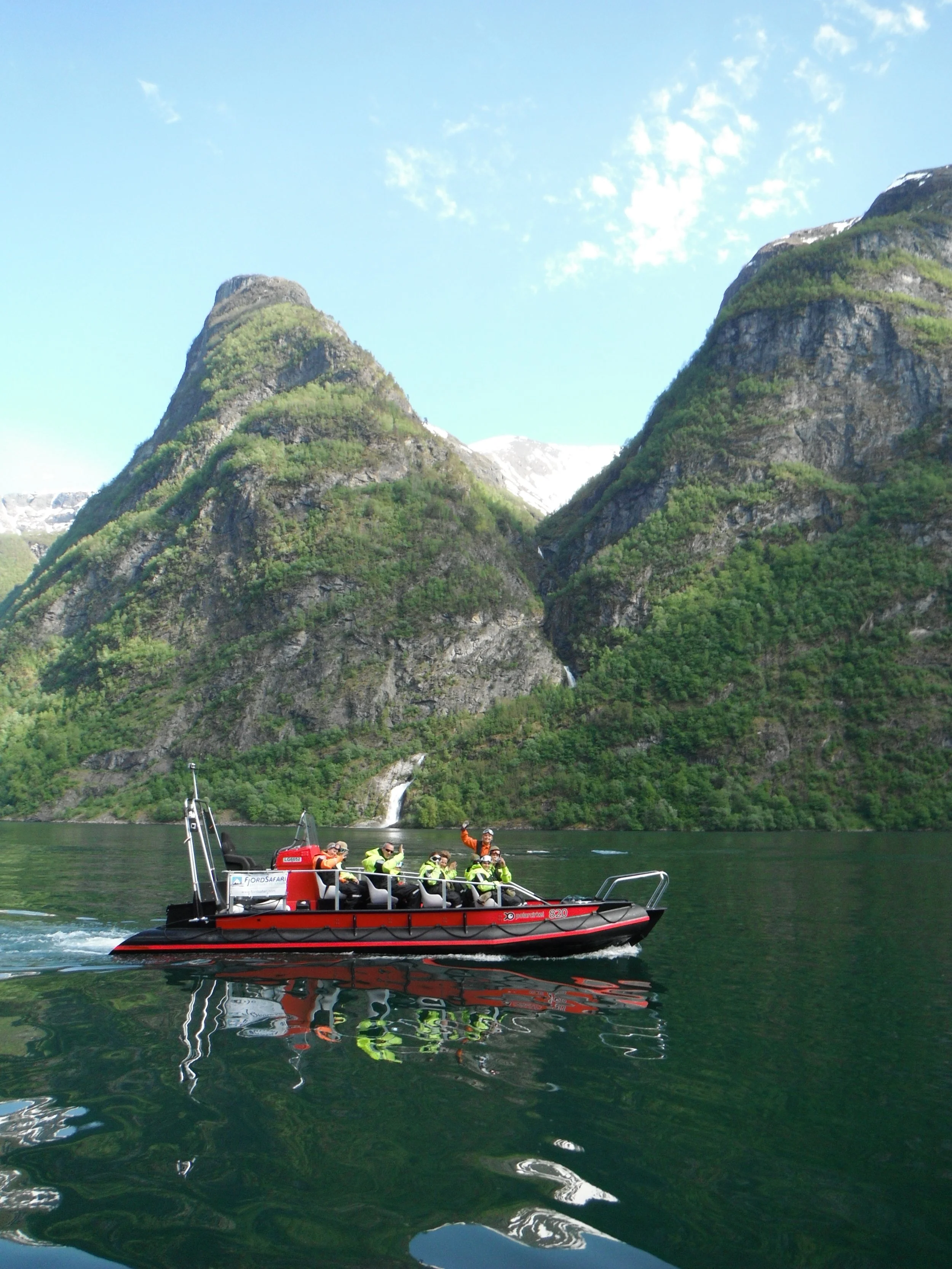
Near the meeting point of the Aurlandsfjord and the Nærøyfjord lies a mountain called Knyttneven -“The Fist.” On the opposite side is Beitelen, a name rooted in an old word meaning chisel.
The legend tells of a time before the fjords existed, when the land was made up of green fields, farms, and grazing animals. A troll, angered by the farmers, decided to force them away. In the dead of night, he took his chisel and began carving into the land, creating what would later become the fjords.
But the troll worked too long. As morning approached and the sun began to rise, he panicked. He threw his chisel aside, where Beitelen stands today, and tried to flee. He didn’t make it. The sunlight caught him, and he turned to stone, his fist still planted in the fjord.
Today, the landscape carries his story in its name.
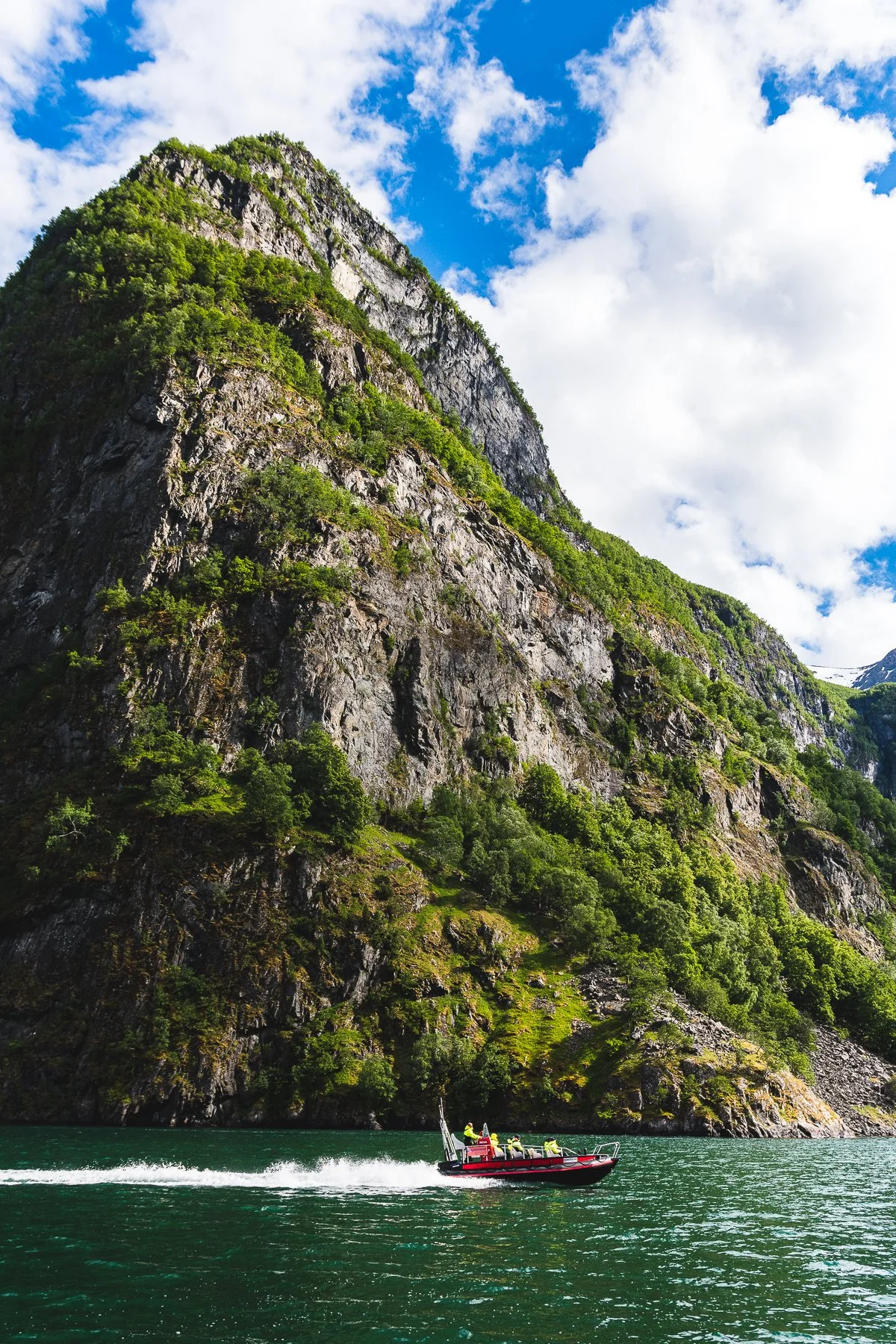
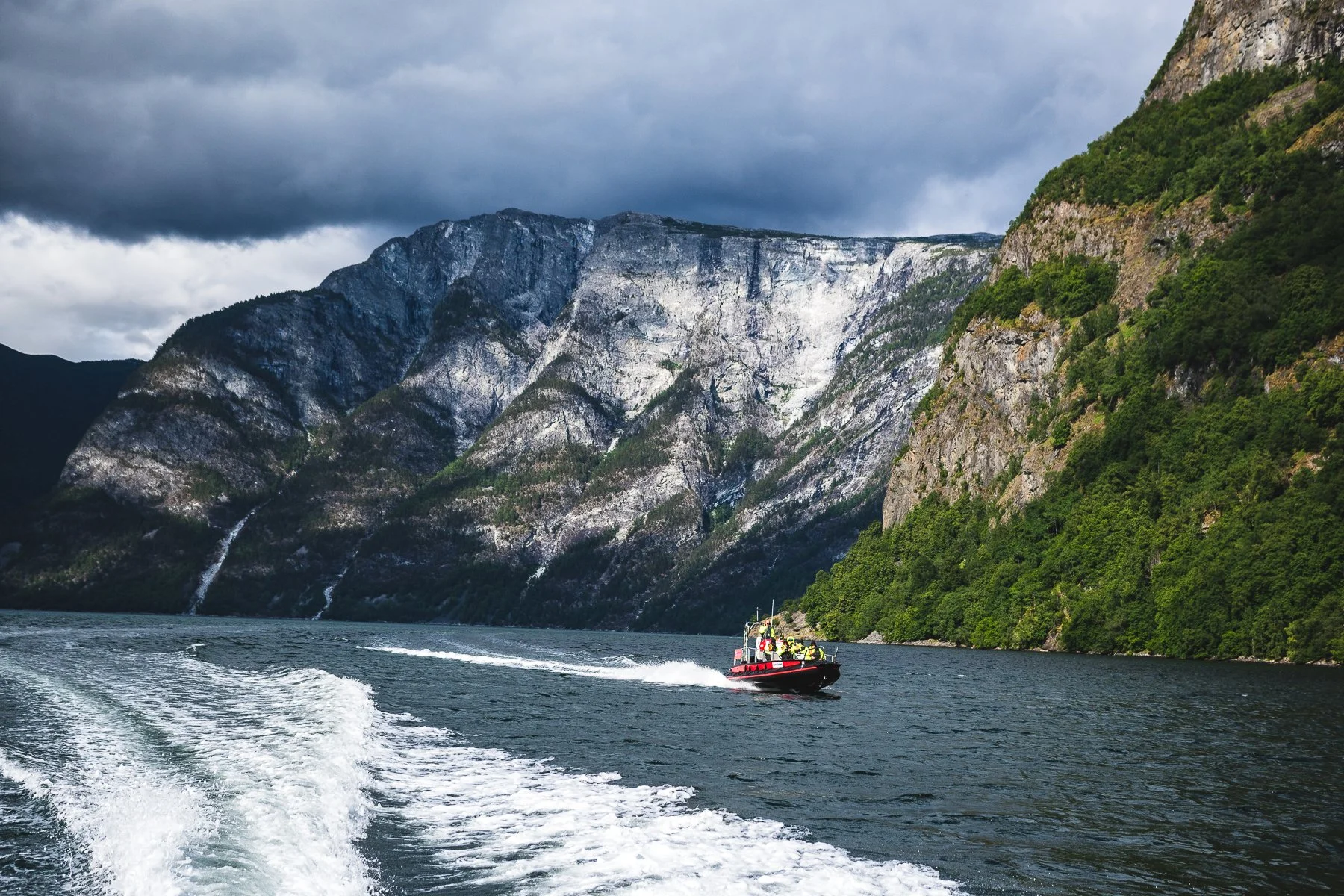
Beitelen & Knyttneven
These stories and so much more is what our guides are prepaired to share with you as you journey through our unique landscape. So pick your fjord adventure, and get closer to nature with us!


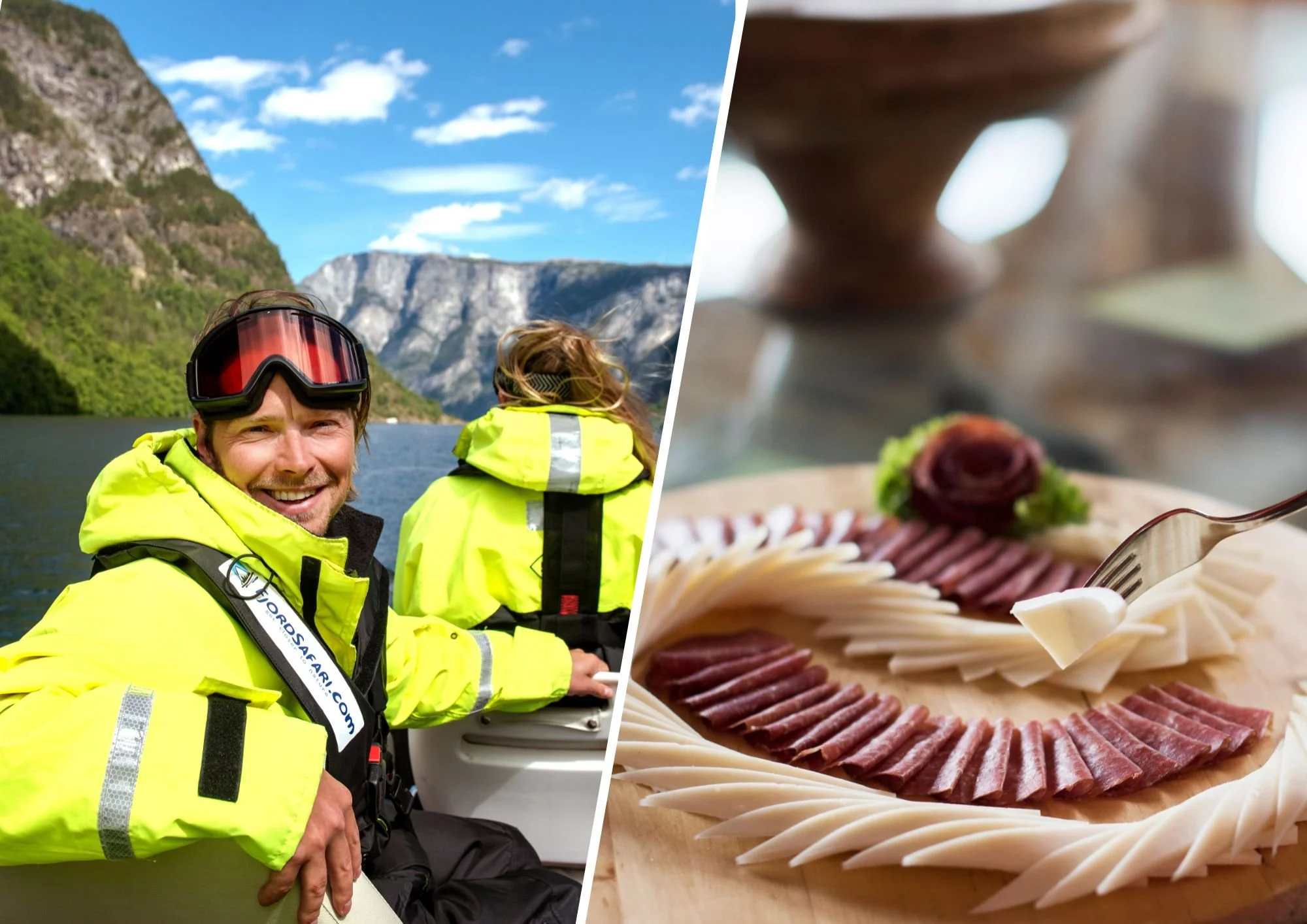

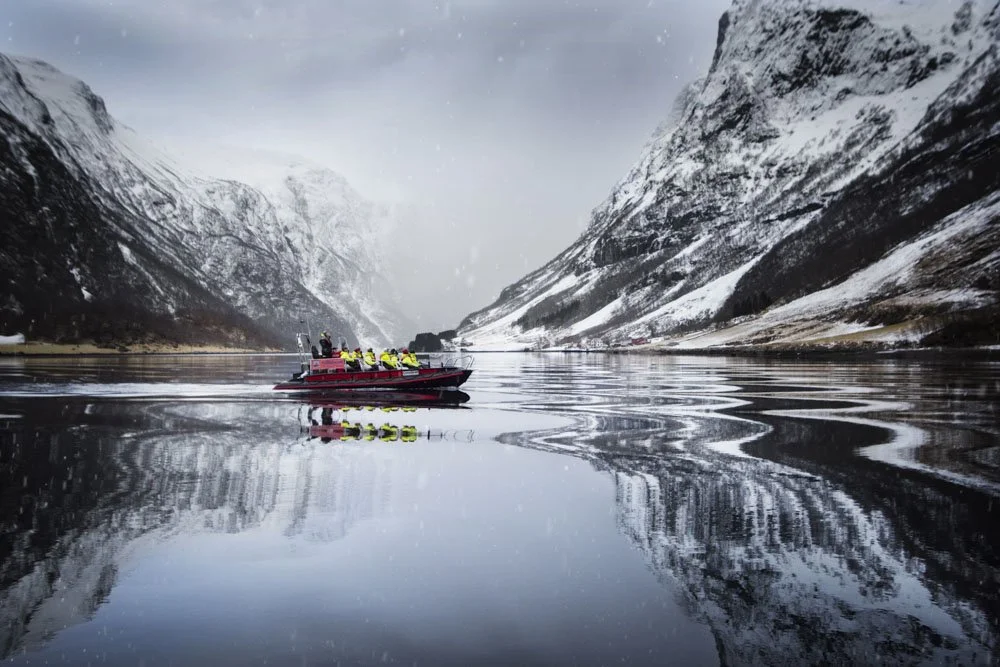
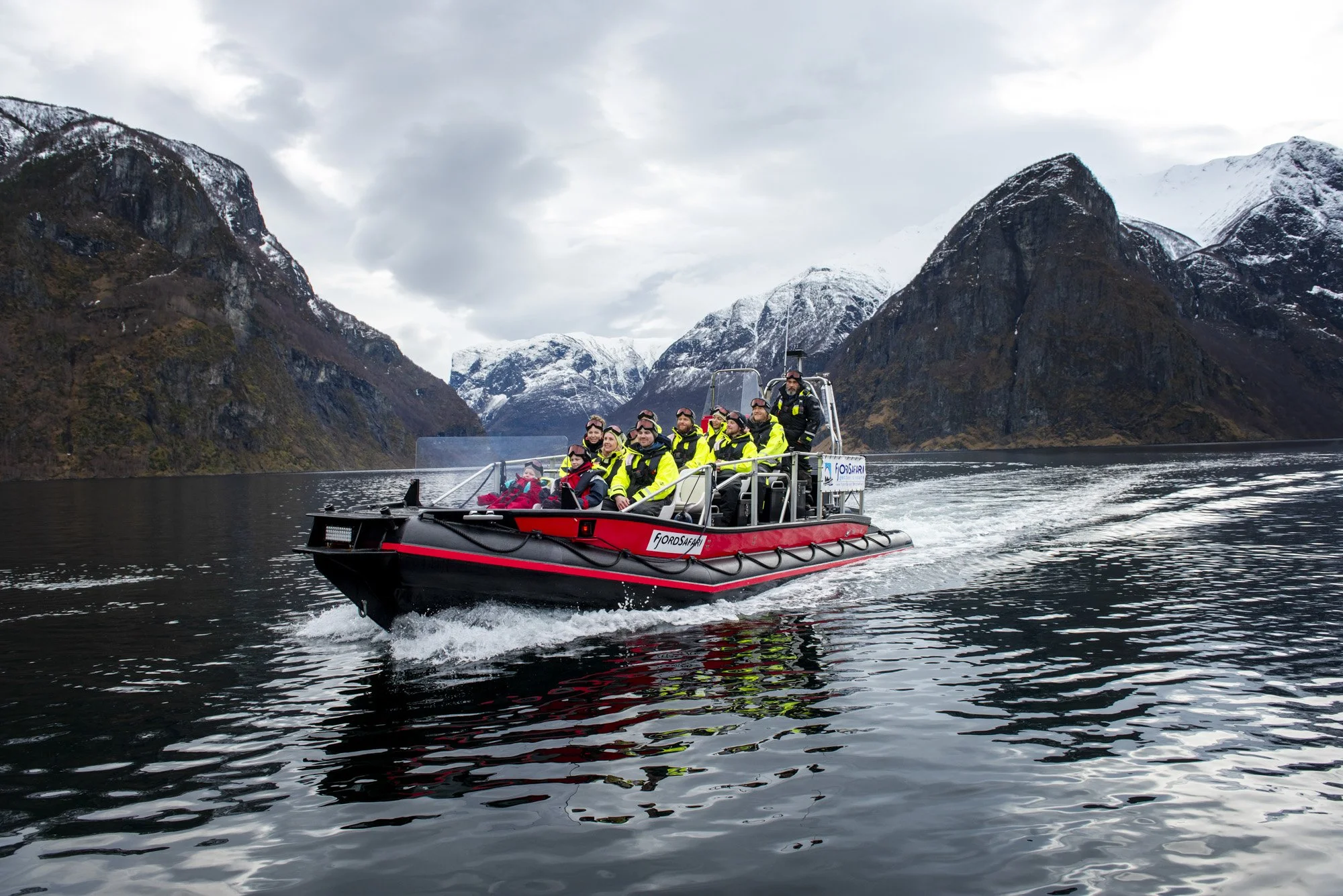
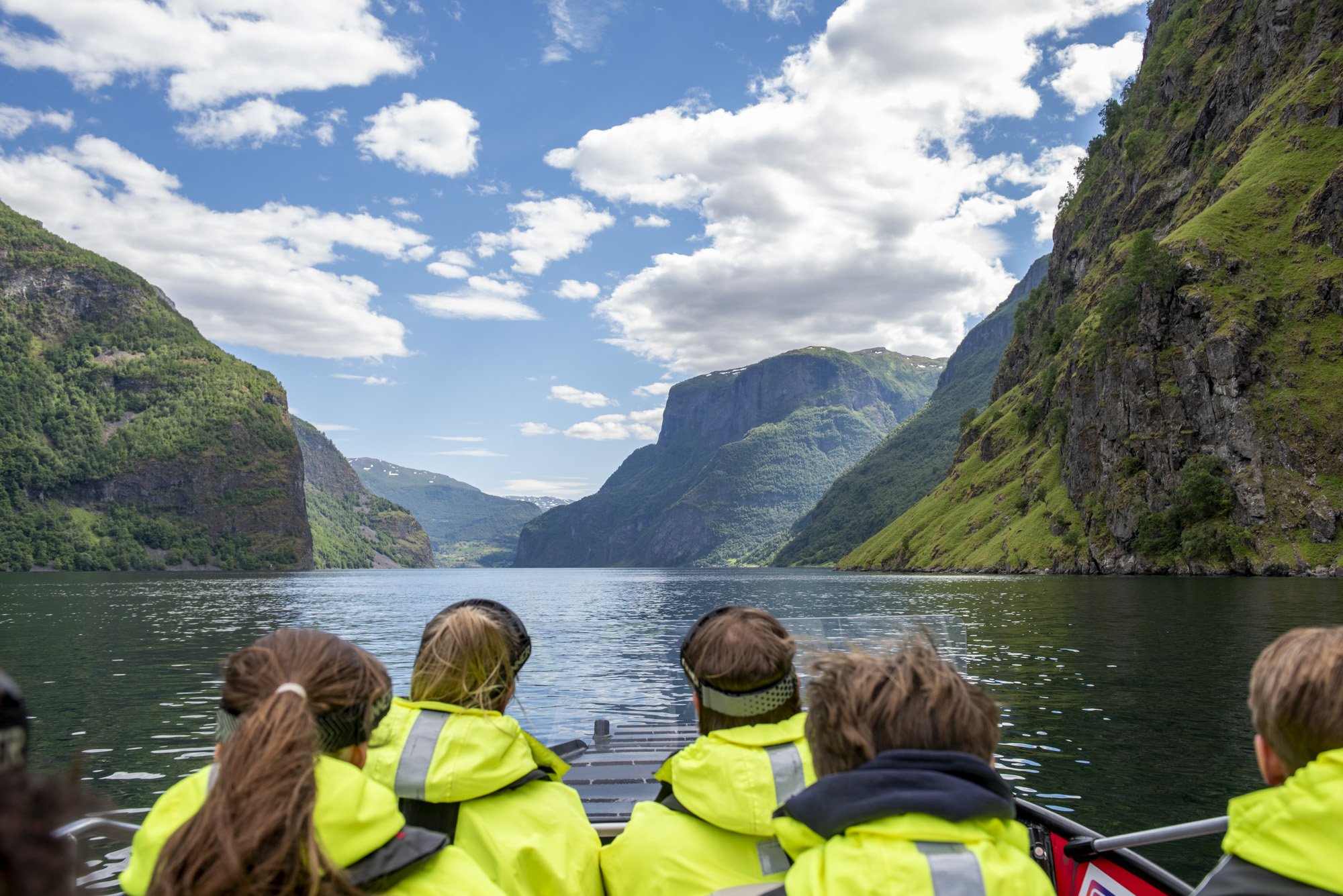
When you travel through the fjords, you’re not just moving through nature — you’re moving through stories.
The mountains may have been shaped by ice and time, but the names they carry remind us of how people once understood the world around them. Trolls offered meaning, memory, and imagination — and those stories still live on, quietly, in the landscape.
Some stories are best read.
Others are best heard, right there on the fjord.